A few years ago, I spoke to the head of marketing at a medium-sized municipal utility company. He had just launched a new customer service platform – a modern portal with good usability; he’d got everything right. His rather sobering conclusion after a year: around five per cent of customers were actively using it.
The most important channel of communication was still the physical letterbox.
This is not an isolated case. And it lies in the nature of the relationship. Electricity is not a product you can touch, show or recommend. It simply flows.
Why do municipal utilities know so little about their customers?
Electricity flows. The customer pays their instalment and doesn’t get in touch again until something goes wrong. Existing customers contact the energy supplier almost exclusively when there is a problem: a complaint, an additional payment, a move. There are hardly any positive moments because the product is invisible.
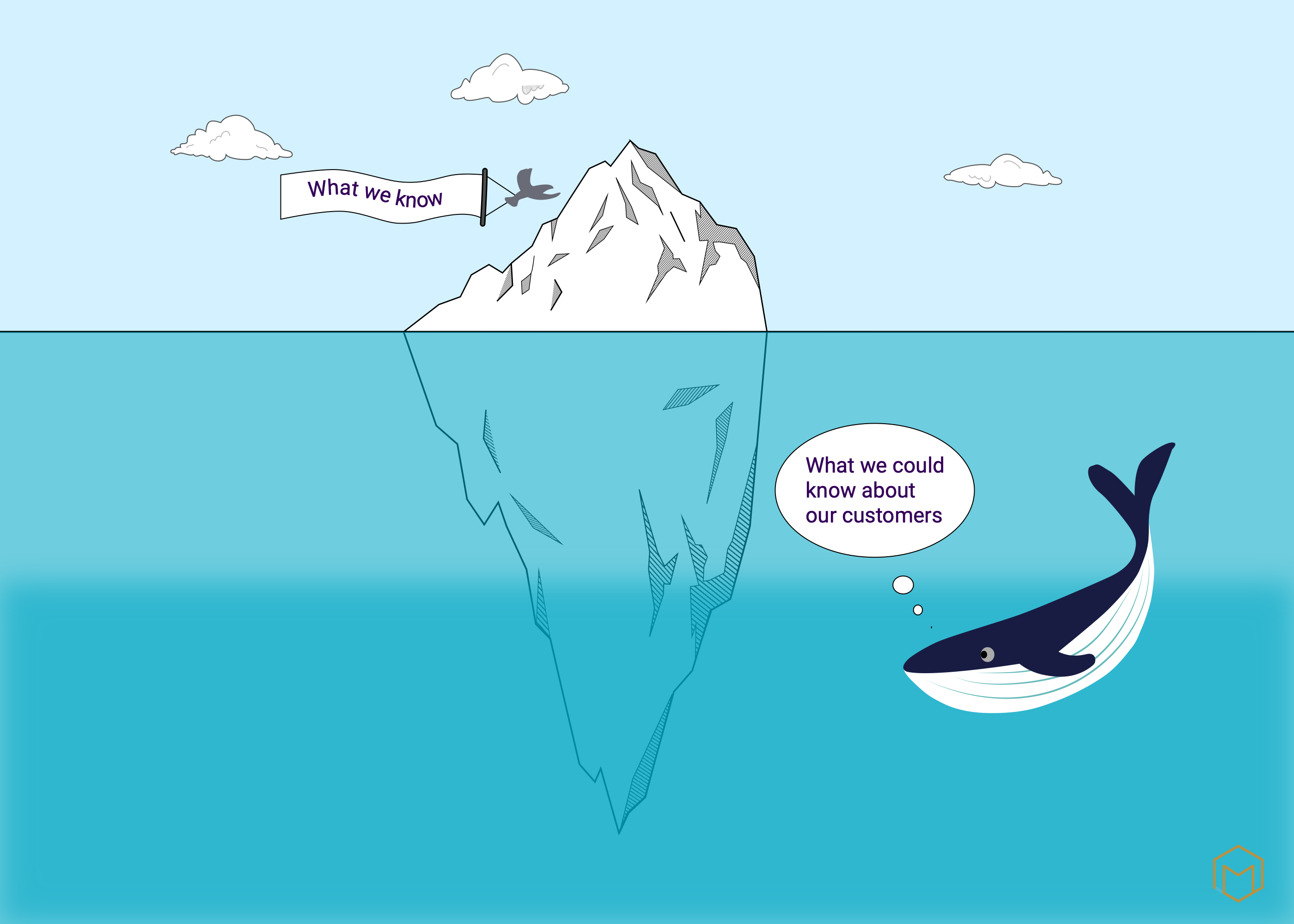
This has a direct consequence: those who only have contact when something goes wrong get to know their customers from a one-sided perspective.
On top of that, there is a second problem: although a great deal of data is available, it is not analysed. ERP, CRM, customer portals, meter data – every system records something, but the systems rarely communicate with one another. What a customer is really like – their behaviour, preferences and potential – can hardly be discerned from a single system. Only by linking the data can a coherent picture emerge.
What is already possible?
The path to better customer insight does not necessarily involve a major digital transformation. It begins with what is already in place.
Contract age, payment behaviour, service contacts, consumption patterns – every municipal utility has this data. Anyone who analyses it in a structured way will identify initial segments: customers who frequently seek contact; customers who haven’t been in touch for years; customers whose behaviour patterns suggest a willingness to switch. This isn’t a forecast yet, but it’s a start.
In other sectors, this has long been standard practice. Banks, insurance companies and telecoms firms have been using customer segmentation and targeted communication for years. The methods exist; they simply need to be adapted and applied consistently.
No magic formula, but a clear path
There is no magic formula. More data alone does not create customer insight. A new system will not solve the problem if the underlying processes are missing. And digital campaigns only work if customers have consented to digital communication, which is not yet the case for many existing customers.
What helps is a consistent approach: first, understand what the existing data tells us. Then, systematically build consent for digital channels. At the same time, design systems and processes so that data can be consolidated and analysed.
This takes time. But every step lays a groundwork to customer insight. Initially for personalised communication and proactive offers, and in the long term also for the use of AI.
How is it in your organisation? Where does your company stand on this journey, and what is the next practical step?